

Summary
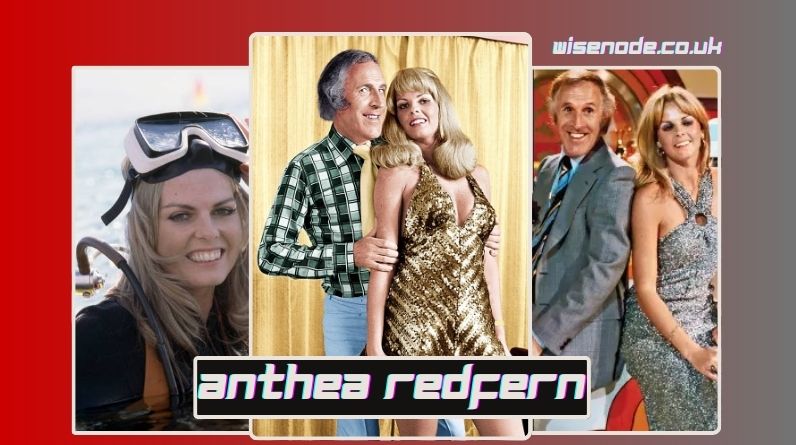
- British television presenter and former model best known for co-hosting a major BBC game show.
- Rose to national fame in the 1970s alongside entertainer Bruce Forsyth.
- Became a defining face of family entertainment during the golden era of British television.
- Transitioned from modeling and dance into prime-time broadcasting.
- Later stepped away from the spotlight to focus on family and private life.
- Remembered today for her influence on the role of female presenters in game shows.
Anthea Redfern: Background and Early Life
Anthea Bernice Redfern was born on April 15, 1948, in Newton Abbot, Devon, England. Raised in a traditional English environment, she showed early interest in performance, particularly dance and stage presentation. From a young age, she demonstrated the discipline and confidence that would later define her on-screen presence.
Her early ambitions centered on the performing arts. Dance training helped develop her poise, timing, and stage awareness—qualities that later translated naturally into television work. Although detailed records of her formal academic education remain limited, her professional preparation came through practical experience in performance, modeling, and live presentation.
As a teenager and young adult, Redfern moved toward opportunities in London, where the entertainment and fashion industries offered broader prospects. This transition marked the beginning of her professional career and her gradual entry into the public eye.
Career Journey and Rise to Recognition
Before becoming a familiar television personality, Anthea Redfern built her reputation as a model. Working in London and internationally, she gained attention for her elegance, camera confidence, and polished appearance. Her work in fashion and promotional modeling during the late 1960s helped establish her public profile and opened doors within the entertainment industry.
Her breakthrough came in the early 1970s when she auditioned for a role on a popular BBC family game show. Selected from a large pool of candidates, she was cast as the on-screen assistant and co-presenter alongside established entertainer Bruce Forsyth. This opportunity transformed her career almost overnight.
The show’s format required more than visual presence. Redfern introduced contestants, assisted with demonstrations, interacted with participants, and maintained the smooth flow of live studio segments. Her warmth and composure complemented Forsyth’s energetic style, creating a partnership that audiences quickly embraced.
During her years on the program, she became one of the most recognizable faces on British television. Her role helped define the assistant-presenter format that later became standard in game and entertainment shows.
Major Works and Television Appearances
Although her television career is closely associated with one flagship program, Anthea Redfern appeared in several entertainment formats during and after her peak years. These included guest roles, panel appearances, and participation in variety-style programming throughout the late 1970s and 1980s.
Her television work extended to:
- Family game and entertainment shows
- Celebrity panel and quiz programs
- Special event and variety broadcasts
- Occasional light acting and presenting roles
While she did not pursue a long-term career as a solo presenter, her presence during the peak of British variety television secured her lasting recognition. Her professional focus remained rooted in entertainment rather than expanding into acting or long-form broadcasting.
A Defining Era: The Generation Game Years
The period from the early to mid-1970s represents the high point of Anthea Redfern’s public career. The program she co-hosted was a cornerstone of weekend family viewing and reached millions of viewers across the United Kingdom.
Her on-screen responsibilities went beyond assisting. She helped shape the tone of the show by balancing glamour with approachability. Audiences viewed her as both polished and relatable—a combination that contributed to the program’s broad appeal across age groups.
This era also reflected a wider shift in British television, where female presenters began gaining greater visibility and influence within mainstream entertainment formats. Redfern’s success demonstrated that women could play active, engaging roles rather than purely decorative ones.
Personal Life and Public Attention
Anthea Redfern’s personal life attracted considerable media interest during her years in the spotlight. Her relationship with Bruce Forsyth developed during their time working together, and the couple married in 1973. Their partnership became one of the most talked-about celebrity relationships of the decade.
Together, they had two daughters. Despite their public profile, Redfern made consistent efforts to maintain a sense of normalcy for her family. The marriage ended in divorce in the early 1980s, after which she gradually reduced her television commitments.
She later married businessman Freddie Hoffman, and the couple had a third daughter. This marriage also ended in divorce, but Redfern continued to prioritize family life over public exposure.
Life After Television
Unlike many television personalities who seek to extend their visibility through media appearances, Anthea Redfern chose a different path. By the late 1980s and early 1990s, she had largely stepped away from regular broadcasting.
Her decision reflected a broader shift in priorities. Rather than pursuing continued fame, she focused on raising her children and building a more private lifestyle. Over time, she relocated abroad for extended periods, enjoying a quieter environment away from the pressures of the entertainment industry.
Occasional appearances in retrospective television specials and nostalgia features have reminded audiences of her role in British TV history, but she has not returned to full-time media work.
Public Image and Cultural Influence
Anthea Redfern’s public image was built around professionalism, elegance, and composure. During the 1970s, she represented a style of television personality that combined glamour with warmth—an important balance in family-oriented programming.
Her influence can be understood in several ways:
- Helping establish the modern co-presenter role in game shows
- Demonstrating that female presenters could contribute actively to program flow
- Setting a standard for on-screen professionalism and presentation
- Becoming part of the visual identity of a defining era in British entertainment
She remains closely associated with what is often described as the golden age of British light entertainment, a period when television variety shows dominated weekend viewing.
Current Status and Public Interest
Today, Anthea Redfern maintains a low public profile. Interest in her life continues, particularly from viewers who remember her television work. Online searches frequently focus on her current activities, family life, and place of residence.
Her ongoing relevance reflects a broader trend in audience nostalgia for classic television personalities. Rather than remaining visible through social media or public appearances, she has chosen privacy, allowing her legacy to rest on her professional contributions rather than ongoing publicity.
Legacy in British Television
Anthea Redfern’s career may have been relatively concentrated in time, but its cultural impact remains significant. She helped define the look and tone of family entertainment during a period when television played a central role in household life.
Her legacy includes:
- Association with one of Britain’s most successful game show formats
- Representation of the evolving role of women in television presentation
- Lasting recognition as a symbol of 1970s entertainment culture
- A career that balanced public success with a dignified transition to private life
Frequently Asked Questions About Anthea Redfern
What is Anthea Redfern best known for?
She is best known as the co-host and on-screen assistant to Bruce Forsyth on a major BBC family game show during the 1970s.
When was Anthea Redfern born?
She was born on April 15, 1948, in Newton Abbot, Devon, England.
Did Anthea Redfern have a career before television?
Yes. She worked as a professional model and trained as a dancer before moving into broadcasting.
Is Anthea Redfern still active in television?
No. She stepped away from regular television work many years ago and now lives a largely private life.
Why do people still search for Anthea Redfern?
Many viewers remember her from the peak era of British family entertainment and remain interested in her life after television.