

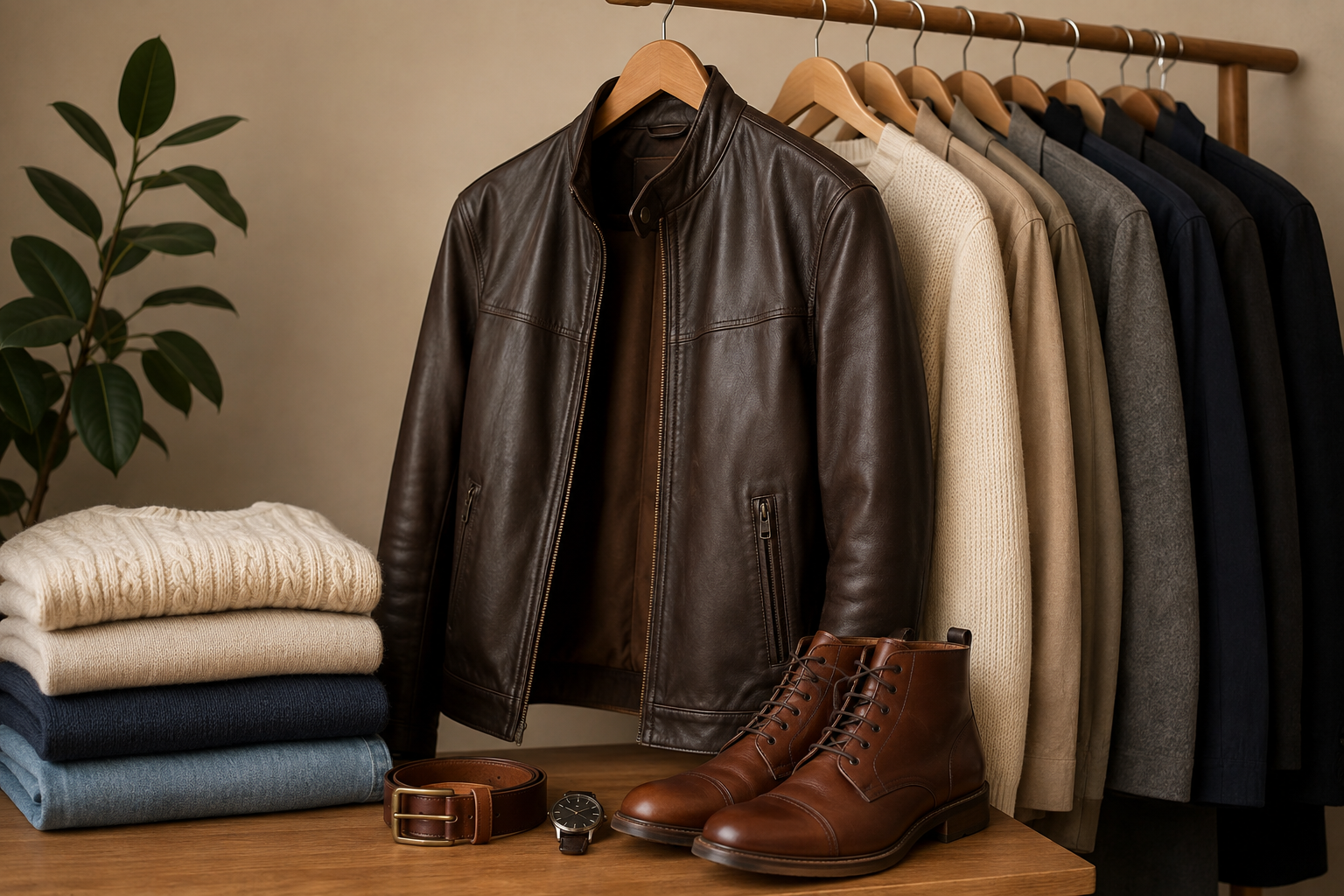
Fast fashion has trained most of us to think more is better – more items, more colors, more trends chased every season. But a growing number of shoppers are moving in the opposite direction, choosing a smaller wardrobe built around fewer, higher-quality pieces instead.
This shift isn’t just a style preference. It affects your budget, your closet space, the environment, and even how confident you feel getting dressed each morning. Here’s why buying less but better is one of the smartest changes you can make to how you shop.
What “Fewer but Better” Actually Means
Buying fewer but better clothes doesn’t mean owning a tiny, restrictive wardrobe. It means being intentional: choosing pieces made from durable materials, in classic cuts, that you’ll actually wear repeatedly — rather than filling your closet with cheap items you wear once or twice.
The goal is a wardrobe where almost everything gets used, instead of one where most items sit untouched.
1. You Save Money Over Time
A cheap item that falls apart after a few wears often ends up costing more than one durable piece that lasts for years.
- A $30 shirt that pills and stretches after five washes needs replacing repeatedly
- A $90 shirt made from quality fabric can last several years with proper care
- Cost-per-wear drops significantly the longer a garment stays in rotation
When you calculate cost per wear rather than upfront price, quality pieces are almost always the better financial decision.
2. Your Wardrobe Becomes Easier to Manage
A closet full of mediocre, similar-looking items creates more decision fatigue, not less.
- Fewer pieces means faster outfit decisions
- Quality basics mix and match more easily
- Less clutter means less time spent digging through clothes you don’t actually wear
Many people who downsize to a smaller, higher-quality wardrobe report getting dressed faster and feeling more confident in their choices.
3. Better Materials Simply Look Better
Fabric quality affects how clothing drapes, wrinkles, and ages. Higher-grade materials tend to hold their shape, resist pilling, and look sharper even after repeated wear and washing.
This is especially true for structural pieces like jackets and outerwear, where material quality is immediately visible.
Outerwear Is Where Quality Matters Most
Outerwear is often the most visible layer of an outfit, and it takes the most wear over time – sun exposure, rain, friction from bags, and constant putting on and taking off. This makes it one of the smartest places to prioritize quality over quantity.
A well-made leather jacket, for example, is a strong example of “buy fewer, buy better” in action. Unlike synthetic alternatives, genuine leather:
- Develops a natural patina that improves its look over time
- Resists everyday wear far better than cheaper materials
- Can be repaired and reconditioned instead of replaced
- Lasts a decade or longer with proper care
If you’re looking to add one durable outerwear piece rather than several disposable ones, browsing a specialist retailer like The Leather Coats is a good place to start, since they focus specifically on long-lasting leather craftsmanship rather than trend-driven pieces. Their men’s jackets collection, for instance, is built around classic cuts designed to stay relevant for years rather than a single season.
Because leather is a natural material, it does need occasional maintenance. If a jacket starts to feel stiff after storage or exposure to cold weather, learning how to soften leather properly keeps it supple and extends its lifespan even further – rather than being tempted to replace it.
- It Reduces Environmental Impact
Fast fashion is one of the largest contributors to textile waste globally. Buying fewer, longer-lasting items directly reduces:
- The number of garments manufactured and shipped
- Water and energy used in production
- Clothing sent to landfills after only a few wears
A smaller wardrobe of durable pieces has a meaningfully lighter environmental footprint than a large wardrobe replaced every season.
5. Quality Pieces Age With You, Not Against You
Trend-driven clothing tends to look dated quickly. Classic, well-made pieces – a tailored blazer, quality denim, a leather jacket, good leather shoes -stay relevant across years, not just seasons.
This means your wardrobe evolves more slowly, and you spend less time and money constantly replacing “outdated” items.
6. It Encourages More Thoughtful Shopping Habits
When you commit to buying fewer but better items, you naturally become a more deliberate shopper. Before a purchase, it becomes normal to ask:
- Will I wear this often?
- Does it fit well right now, not just in theory?
- Is the material durable enough to last?
- Does it work with pieces I already own?
This mindset shift alone tends to reduce impulse purchases and buyer’s remorse.
How to Start Shifting to a “Fewer but Better” Wardrobe
You don’t need to overhaul your closet overnight. A gradual approach works better:
- Identify the items you wear most and note what makes them work
- Replace worn-out basics with one higher-quality version at a time
- Prioritize durable materials for pieces that get the most use, like outerwear and shoes
- Learn basic care and maintenance so items last as long as possible
- Avoid replacing something until it’s actually worn out
Over time, this approach naturally shrinks your wardrobe while raising its overall quality.
FAQs:
- Is buying fewer but better clothes actually cheaper? Yes, in most cases. While the upfront cost is higher, durable clothing lasts significantly longer, which lowers the cost per wear compared to cheaper items that need frequent replacing.
- What types of clothing benefit most from higher quality?
Items with heavy daily use – outerwear, shoes, jeans, and structural pieces like blazers -benefit the most, since they experience the most wear and are hardest to replace well.
- How do I know if a piece of clothing is genuinely well made?
Check the fabric or material composition, look at stitching consistency, and check how the garment feels and drapes. Natural materials like leather or high-grade cotton typically outperform synthetic alternatives.
- How do I maintain quality items so they last longer?
Follow proper care instructions for each material – for leather, this includes conditioning regularly and knowing how to soften leather if it becomes stiff, rather than letting it crack.
- Does a smaller wardrobe limit outfit variety?
Not usually. Quality basics in versatile colors and cuts tend to mix and match more easily than a large wardrobe of trend-driven pieces, often creating more usable outfit combinations.
Conclusion
Buying fewer but better clothes isn’t a restriction – it’s a smarter way to shop. It saves money over time, reduces clutter and decision fatigue, lowers environmental impact, and results in a wardrobe that actually looks and feels better to wear. Start small: the next time you replace a basic, choose one durable piece over several disposable ones, and let your wardrobe grow slower but stronger.