

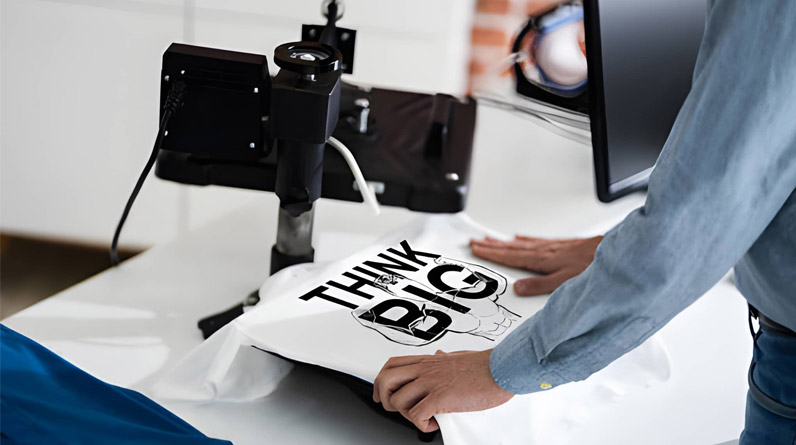
The print-on-demand industry is experiencing a remarkable transformation. With the UK market expanding at a compound annual growth rate of 23.4% and projected to reach $1.8 billion by 2030, there’s never been a more opportune moment to launch your own POD venture.
What makes this business model particularly attractive is its accessibility. Unlike traditional retail businesses that require substantial capital for inventory, warehousing, and logistics, print-on-demand allows you to start with as little as £100 to £1,000. You create designs, customers place orders, and your supplier handles everything from printing to delivery—all whilst you maintain complete creative control.
This comprehensive guide will walk you through every critical step of building a successful print-on-demand business, from identifying profitable niches to implementing marketing strategies that actually convert. Whether you’re a creative professional seeking additional income or an entrepreneur ready to build your first online brand, this article provides the blueprint you need.
What Exactly Is Print-on-Demand?
Print-on-demand (POD) is a fulfilment model that revolutionises how entrepreneurs sell custom products. Instead of purchasing hundreds or thousands of items upfront and hoping they sell, POD operates on a simple principle: products are only manufactured after a customer places an order.
Here’s the workflow in practice:
- You design custom products (t-shirts, mugs, tote bags, business cards, posters, etc.)
- You list these products in your online store or marketplace
- A customer discovers your product and completes a purchase
- The order automatically transmits to your POD supplier
- Your supplier prints, packages, and ships the product directly to your customer
- You collect the profit margin you’ve set
This model eliminates the traditional retail headaches of inventory management, storage costs, and the risk of unsold stock gathering dust in a warehouse. You’re essentially running a brand and design business whilst outsourcing production and logistics to specialists.
Why Launch a Print-on-Demand Business in 2026?
The timing couldn’t be better for entering the POD space. Several converging trends make 2026 an ideal year to start your journey.
Explosive Market Growth
The global print-on-demand market is predicted to reach approximately £46 billion by 2033. This isn’t speculative growth—it’s driven by fundamental shifts in consumer behaviour. Despite living in an increasingly digital world, consumers are actively seeking tangible, personalised products that express their identity and values.
The Personalisation Premium
Mass-produced, generic products no longer resonate with modern consumers. People are willing to pay premium prices for items that feel unique and tailored to their interests. This creates an enormous opportunity for POD businesses that can identify specific audiences and create designs that genuinely speak to them.
Low Barrier to Entry
Traditional retail requires significant upfront investment. Print-on-demand flips this model entirely. You can test multiple product ideas, designs, and niches without committing thousands of pounds. If something doesn’t work, you simply pivot without financial devastation.
Location Independence
With 79% of the UK population active on social media and ecommerce platforms accessible globally, you can run a successful POD business from anywhere. Whether you’re in London, Edinburgh, or a remote village in Cornwall, your potential customer base is worldwide.
Understanding the Print-on-Demand Business Model
Before diving into tactical steps, it’s crucial to understand how POD businesses generate profit and sustain growth.
Revenue Structure
Your revenue comes from the difference between what customers pay and what production costs. For example:
- Customer pays: £25 for a custom t-shirt
- Production cost (printing, base product): £12
- Shipping cost: £3
- Platform fees (if using marketplace): £1.50
- Your profit: £8.50 (34% margin)
Successful POD businesses typically aim for profit margins between 20% and 50%, depending on their positioning, product type, and marketing expenses.
The Three Core Components
Every successful POD business relies on three interconnected elements:
- Design and Brand Identity: Your unique creative vision that differentiates you from competitors
- Production Partner: A reliable supplier who maintains quality standards and delivers on time
- Sales Channel: Your online storefront where customers discover and purchase your products
When these three components work in harmony, you create a business that can scale efficiently whilst maintaining quality and customer satisfaction.
Step-by-Step Guide: Building Your Print-on-Demand Business
Step 1: Identify Your Profitable Niche
Choosing the right niche is perhaps the most critical decision you’ll make. A well-defined niche allows you to create targeted designs, craft precise marketing messages, and build a loyal customer base that actually cares about what you’re selling.
The biggest mistake new POD entrepreneurs make is trying to appeal to everyone. “Funny t-shirts” isn’t a niche—it’s an ocean where you’ll drown amongst competitors. Instead, drill down to specifics.
Effective niche selection process:
- Start Broad, Then Narrow: Begin with general interests, then get hyper-specific
- Broad: Fitness enthusiasts
- Narrower: CrossFit athletes
- Hyper-specific: Mothers who do CrossFit and struggle to balance training with parenting
- Research Demand: Use Google Trends to identify whether interest in your niche is growing, stable, or declining. Filter results by UK region to understand local demand patterns.
- Analyse Competition: Browse Etsy, Amazon, and independent POD stores. What are they selling? What designs are getting positive reviews? More importantly, what gaps can you identify?
- Keyword Research: Use tools like eRank (for Etsy), Semrush, or Ahrefs to find search terms with decent volume but manageable competition. If “vegan fitness apparel” shows 2,000 monthly searches with only moderate competition, you’ve found a potential opportunity.
- Personal Interest Test: Can you maintain enthusiasm for this niche over months or years? Burnout is real when you’re creating content around topics you don’t genuinely care about.
Profitable niche examples for 2026:
- Sustainable living advocates seeking eco-conscious messaging
- Specific pet breeds (French bulldog owners, Bengal cat enthusiasts)
- Professional groups (teachers, nurses, software developers) with industry-specific humour
- Hobby communities (wild camping, vintage car restoration, indoor plant collectors)
- Mental health awareness with sensitive, supportive messaging
Step 2: Select Your Product Range
Your product selection should align perfectly with your niche whilst offering variety and different price points.
Popular POD product categories:
| Category | Examples | Best For | Typical Margin |
|---|---|---|---|
| Apparel | T-shirts, hoodies, sweatshirts | Universal appeal, high volume | 30-40% |
| Accessories | Tote bags, phone cases, caps | Impulse purchases, gift items | 35-50% |
| Home Décor | Mugs, posters, cushions | Personal expression, gifts | 25-45% |
| Stationery | Notebooks, stickers, calendars | Budget-friendly add-ons | 40-60% |
| Business Materials | Business cards, brochures, packaging | B2B market, recurring orders | 20-35% |
Strategic product selection tips:
- Build Cohesive Collections: Offer matching designs across multiple products. If someone loves your hiking-themed t-shirt design, they’re more likely to purchase the matching tote bag and water bottle.
- Include Various Price Points: Stickers and phone cases serve as affordable entry products, whilst hoodies and wall art provide higher-value options.
- Consider Seasonality: T-shirts sell year-round, but sweatshirts peak in autumn/winter. Plan your product launches accordingly.
- Test Before Expanding: Start with 3-5 core products. Once you’ve validated demand, expand your range based on customer requests and sales data.
Step 3: Choose Your Print-on-Demand Supplier
Your supplier is essentially your business partner—they represent your brand through product quality and delivery experience. Choosing wisely is crucial.
Leading UK-friendly POD suppliers comparison:
| Supplier | Strengths | Best For | UK Delivery |
|---|---|---|---|
| Printful | In-house production, consistent quality, extensive branding options | Quality-focused brands, reliable fulfilment | 5-7 business days |
| Printify | Largest product catalogue, competitive pricing, multiple print providers | Budget-conscious sellers, product variety | 4-10 business days |
| Gelato | Local printing in 32 countries, sustainable, fast delivery | Eco-conscious brands, European focus | 2-5 business days |
| Teemill | UK-based, circular economy model, organic materials | Sustainable fashion, UK-centric businesses | 3-5 business days |
Evaluation criteria for selecting your supplier:
- Product Quality: Always order samples before launching. Assess print clarity, colour accuracy, fabric quality, and packaging presentation.
- Production and Delivery Times: UK customers expect relatively quick delivery. Suppliers with European or UK production facilities typically offer faster fulfilment.
- Integration Capabilities: Ensure seamless integration with your chosen sales platform (Shopify, WooCommerce, Etsy).
- Pricing Structure: Compare base costs, shipping fees, and any premium features (custom packaging, branded inserts).
- Branding Options: Can you add custom labels, pack-ins, or branded packaging to create a premium unboxing experience?
- Customer Support: When production issues arise, responsive support makes the difference between losing and retaining customers.
Step 4: Create Compelling Designs
Your designs are your product. They’re what customers actually purchase and what differentiates you from thousands of other POD businesses.
Three approaches to design creation:
- DIY Design (£0-£20/month):
- Tools: Canva Pro, Adobe Express, Printful Design Maker
- Best for: Creative individuals, tight budgets, full creative control
- Learning curve: Moderate; tutorials widely available
- Advantages: No ongoing costs, unlimited revisions, authentic personal style
- Hire Professional Designers (£50-£300+ per design):
- Platforms: Fiverr, Upwork, Designhill
- Best for: Specific vision requiring professional execution, complex illustrations
- Considerations: Budget for multiple designs, establish clear briefs, request commercial rights
- Advantages: Professional quality, faster production, access to diverse styles
- Pre-Made Design Libraries (£10-£50/month):
- Sources: Creative Market, Vexels, Placeit
- Best for: Quick launches, trending topics, supplementing original designs
- Limitations: Less unique, licensing restrictions, used by multiple sellers
- Advantages: Immediate access, cost-effective, wide variety
Design principles for POD success:
- Clarity Matters: Designs should be instantly understandable, even in thumbnail images on marketplace listings.
- Colour Psychology: Consider your niche’s aesthetic preferences. Pastel colours work beautifully for gentle parenting communities, whilst bold, saturated colours appeal to gaming audiences.
- Typography Legibility: If your design includes text, ensure it’s readable at actual product size. Test prints are essential.
- Originality Over Trends: Whilst jumping on trends can generate quick sales, original designs build lasting brand equity.
- Cultural Sensitivity: Research symbols, phrases, and imagery to avoid unintentional cultural appropriation or offence.
Step 5: Establish Your Online Presence

You need a professional platform where customers can discover, browse, and purchase your products. You have three primary options, each with distinct advantages.
Sales channel comparison:
| Platform Type | Setup Effort | Monthly Cost | Traffic Source | Brand Control |
|---|---|---|---|---|
| Own Website (Shopify, WooCommerce) | Moderate-High | £20-£100+ | You drive all traffic | Complete control |
| Marketplaces (Etsy, Amazon) | Low | £0-£25 + fees | Built-in shoppers | Limited customisation |
| Quick Store Solutions | Very Low | £0-£10 | You drive traffic | Basic customisation |
Choosing your platform:
Start with marketplaces if: You’re validating your niche, have limited technical skills, want immediate access to shoppers, or prefer minimal setup.
Build your own website if: You’re committed to long-term brand building, want complete design control, plan to build an email list, or aim for higher perceived value.
Consider both approaches: Many successful POD businesses maintain both an independent website and marketplace presence, capturing different customer segments.
Step 6: Develop Your Pricing Strategy
Pricing requires balancing profitability with market competitiveness. Underpricing devalues your work and makes sustainable growth impossible. Overpricing without justified value alienates customers.
Pricing calculation framework:
- Calculate Total Costs:
- Base product cost (supplier charge)
- Printing/customisation fees
- Shipping expenses
- Platform fees (Etsy charges 6.5% transaction fee + £0.17 listing fee)
- Payment processing (typically 2-3%)
- Marketing costs (allocated per product)
- Add Your Margin: Industry standard ranges from 20% to 50%. Premium, highly differentiated products can command higher margins.
- Round Strategically: £24.99 psychologically outperforms £25.00, though £25 feels cleaner and more premium.
- Test and Adjust: Monitor sales velocity and customer feedback. If products sell quickly but profit is low, gradually increase prices.
Example pricing calculation:
- Premium organic t-shirt base cost: £10.50
- Printing: £3.20