
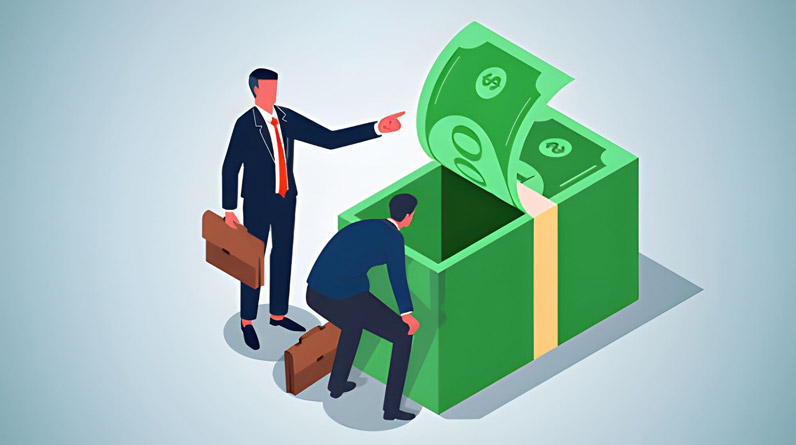
The dream of running your own business doesn’t require a hefty bank balance or venture capital backing. In fact, some of today’s most successful companies—including Mailchimp, which now generates over £700 million annually—started as bootstrapped side projects with virtually no money.
If you’re ready to launch your entrepreneurial journey in 2025 but worried about startup costs, you’re in the right place. This comprehensive guide reveals exactly how to build a profitable online business from scratch, even if you’re starting with empty pockets.
Why 2025 Is the Perfect Year to Start With Nothing
The digital landscape has never been more accessible for aspiring entrepreneurs. Here’s what makes 2025 uniquely positioned for zero-capital startups:
- Free tools have matured: Platforms like Canva, WordPress, and Wix offer professional-grade features at no cost
- Social media algorithms favour authenticity: You don’t need paid advertising when organic content can reach millions
- Global marketplace access: Sell to customers worldwide without geographical limitations
- AI-powered automation: Free AI tools handle tasks that once required expensive staff or software
- Remote work normalisation: More people trust online businesses and digital transactions than ever before
The barriers that once kept aspiring entrepreneurs on the sidelines have crumbled. What remains is opportunity—and you’re about to discover how to seize it.
5 Proven Online Business Models That Require Zero Capital

Not all business models are created equal. These five have been tested by thousands of entrepreneurs who started with nothing and built sustainable income streams.
1. Dropshipping: Sell Without Holding Inventory
Dropshipping allows you to sell physical products without purchasing inventory upfront. When a customer orders from your online shop, you forward that order to your supplier, who ships directly to the customer.
Why it works with no money:
- No inventory investment required
- No warehouse or storage costs
- Operate entirely remotely
- Test multiple products without financial risk
Real success story: Dropshipping entrepreneur Kamil Sattar built his business by sourcing trending products from TikTok. His strategy? Search for hashtags like “TikTokMadeMeBuyIt” and “Amazon finds”, then source 5-10 low-cost items from verified suppliers. He created 30 days’ worth of short-form videos before even launching his shop.
Free tools to start: Shopify (3-day free trial), DropCommerce (North American suppliers), Syncee (global brands), Collective (connect with established Shopify brands)
2. Print on Demand: Launch Your Fashion Brand Today
Print on demand services apply your designs to products like t-shirts, tote bags, and phone cases. They only create items after customers purchase them, eliminating upfront costs.
Success case: European clothing brand #muhoov, co-founded by Katheriin Liibert, started with print on demand, bringing their “initial operational investment to £0. Essentially, we were just a website to start off with—to validate the idea.”
Key advantages:
- Test designs without buying inventory
- No storage or shipping logistics
- Scale production based on demand
- Multiple product types from one design
3. Service-Based Business: Monetise Your Existing Skills
Service businesses require the lowest startup costs because you’re selling time and expertise rather than products. Your experience becomes your inventory.
Popular zero-cost service businesses:
- Freelance writing or copywriting
- Virtual assistance
- Social media management
- Graphic design
- Online tutoring or coaching
- Bookkeeping or administrative support
As Kei Nishida, owner of Japanese Green Tea Co, advises: “Since you don’t have the capital yet, start with the things that you have, like your experience, knowledge, skills, and resources you own.”
Where to find clients for free: Upwork, Fiverr, LinkedIn Services, PeoplePerHour, Freelancer.com
4. Digital Products: Create Once, Sell Infinitely
Digital products offer the ultimate scalability. Create an ebook, course, template, or guide once, then sell unlimited copies with no production costs.
Digital product ideas:
- Ebooks on specialised topics
- Online courses teaching specific skills
- Notion templates or productivity planners
- Photography presets or Lightroom filters
- Spreadsheet templates for business or finance
- Graphic design templates
Creation tools (all free): Canva (design), Google Docs (writing), Loom (video recording), Audacity (audio editing)
5. Affiliate Marketing: Earn Commissions Promoting Products
Affiliate marketing lets you earn money by recommending products you believe in. When someone purchases through your unique link, you receive a commission—without handling products, customer service, or fulfilment.
How to start:
- Choose a niche you’re knowledgeable about
- Join affiliate programmes (Amazon Associates, ShareASale, CJ Affiliate)
- Create content reviewing or featuring products
- Share your affiliate links on blogs, social media, or YouTube
- Earn passive commissions on every sale
Best platforms for free promotion: Start a blog on WordPress.com, create YouTube videos, post on TikTok or Instagram Reels
The 7-Step Blueprint to Launch Your Zero-Budget Business
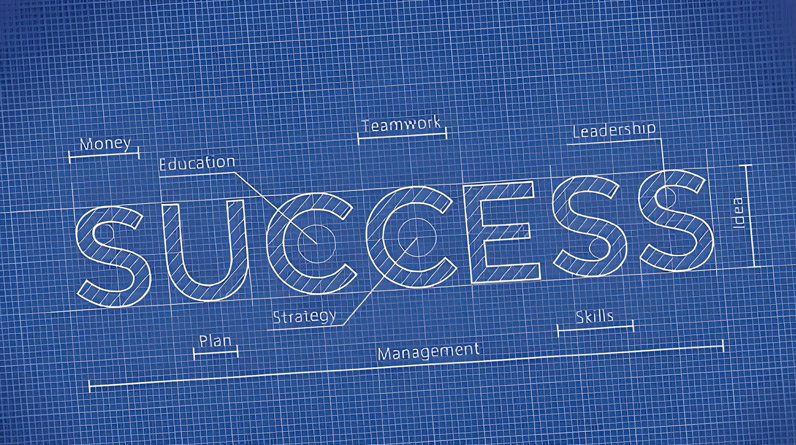
Theory is helpful, but implementation wins. Follow these seven steps to transform your idea into a functioning online business—without spending a penny.
Step 1: Research Your Market Like a Professional
Before launching anything, you need to understand what people actually want. Poor market research is why 42% of startups fail—they build something nobody needs.
Free research methods:
- Google Trends: Identify rising and falling interest in topics
- Reddit: Find pain points in relevant subreddits (r/Entrepreneur, industry-specific communities)
- Answer the Public: Discover questions people ask about your topic
- Competitor analysis: Study successful businesses in your niche—what are they doing right?
- Social media hashtags: See what’s trending on TikTok, Instagram, and Twitter
Spend at least a week on research. The insights you gain will shape everything that follows.
Step 2: Choose Your Business Model Strategically
Match the business model to your strengths, not what’s merely trendy. Ask yourself:
- What skills do I already possess?
- How much time can I dedicate initially?
- Am I more creative or analytical?
- Do I prefer working with people or independently?
- What am I genuinely interested in?
| Business Model | Best For | Time to First Sale | Scalability |
|---|---|---|---|
| Service-Based | Existing skills, quick income | 1-2 weeks | Medium |
| Dropshipping | Product enthusiasts, marketers | 2-4 weeks | High |
| Affiliate Marketing | Content creators, influencers | 1-3 months | High |
| Digital Products | Experts, educators, creators | 2-6 weeks | Very High |
| Print on Demand | Designers, artists | 2-4 weeks | High |
Step 3: Craft a Lean Business Plan
You don’t need a 40-page document. A lean business plan covers essentials on a single page:
- Problem: What pain point are you solving?
- Solution: How does your business address it?
- Target audience: Who specifically needs this?
- Revenue model: How will you make money?
- Marketing strategy: How will customers find you?
- Success metrics: What defines progress?
This clarity prevents you from drifting aimlessly and helps you make faster decisions when challenges arise.
Step 4: Select a Memorable Business Name
Your business name will follow you throughout your entrepreneurial journey. Make it count.
Naming best practices:
- Keep it simple and easy to spell
- Ensure it’s available as a domain (.com preferred)
- Check social media handle availability
- Avoid limiting yourself (don’t name it “Bob’s Candles” if you might expand beyond candles)
- Make it memorable and distinctive
Free naming tools: Namechk (check domain and social availability), Shopify Business Name Generator, Namelix (AI-powered suggestions)
Step 5: Build Your Online Presence for Free
You need a digital headquarters where customers can find you. The good news? You can create a professional web presence without spending anything.
Website options:
- WordPress.com: Free blog and basic website
- Wix: Drag-and-drop website builder
- Carrd: Simple one-page sites
- Shopify Starter: £5/month after 3-day free trial (minimal investment for selling)
- Gumroad: Free platform for digital products
Essential pages to include:
- Homepage with clear value proposition
- About page telling your story
- Products/Services page
- Contact page
- Blog (for content marketing)
Step 6: Create Your Brand Identity Without a Designer
Branding extends beyond logos—it’s the feeling people get when they interact with your business.
Free branding elements you can create:
- Logo: Use Canva’s free logo maker
- Colour palette: Choose 2-3 primary colours (Coolors.co generates beautiful combinations)
- Typography: Select two fonts—one for headings, one for body text (Google Fonts is free)
- Brand voice: Define how you communicate (professional? playful? authoritative?)
- Visual style: Decide on photography or illustration style
Consistency matters more than perfection. Use the same colours, fonts, and tone across all platforms.
Step 7: Validate Before You Scale
Don’t build an empire before confirming people want what you’re selling. Validation saves time and prevents wasted effort.
The preorder strategy: Remi Martins, founder of Regirl, demonstrated this brilliantly. She created an Instagram page showcasing product concepts before manufacturing anything. “I got feedback that people are interested in the product and there was a market for wigs specially made for natural-hair lovers,” she explains.
After confirming demand, Remi launched through preorders. “We sold 50 products in the first 60 days of the business. I eventually invested £1,000 in the business to purchase inventory and do marketing.”
Other validation methods:
- Offer services to 3-5 beta clients at discounted rates for testimonials
- Create a “coming soon” landing page and measure email signups
- Run a small social media campaign showing your product/service
- Join relevant Facebook groups or forums and gauge interest
The Client-First Approach: Prioritise Revenue Over Perfection
When you’re starting with no money, every decision must directly contribute to revenue generation. This sounds obvious, but countless entrepreneurs fall into the “perfection trap”.
What Matters Now vs What Can Wait
Focus on NOW:
- Getting your first 2-3 paying clients
- Creating a minimum viable offer
- Building basic credibility (simple website, professional social profiles)
- Developing one core marketing channel
- Delivering exceptional results
Can wait until later:
- Perfect logo with multiple iterations
- Professional photography
- Customer relationship management (CRM) software
- Multiple product lines
- Advanced automation
As one successful entrepreneur noted: “Your fancy logo or personal branding photoshoots can wait. What you need is at least two or three clients, not only so you can make money, but also so that you can build testimonials, reviews, case studies and a portfolio.”
Marketing Strategies That Cost Nothing But Time
Traditional advertising requires budget. Organic marketing requires consistency and creativity—resources you have in abundance.
Content Marketing: Build Authority Through Value
Share valuable content in your area of expertise. This attracts potential clients while building trust.
The content production engine:
- Choose one primary platform: Blog, YouTube, TikTok, LinkedIn, or Instagram
- Commit to a schedule: Daily, three times weekly, or weekly—consistency beats frequency
- Solve specific problems: Each piece of content should answer a question your audience asks
- Repurpose everywhere: Turn one blog post into 5 social posts, 10 tweets, and a video script
Content formats to explore:
- How-to tutorials and guides
- Behind-the-scenes of your business
- Case studies showing results
- Industry trend analysis
- Common mistakes to avoid
- Tool reviews and recommendations
Strategic Partnerships: Borrow Established Audiences
Why build an audience from scratch when you can access existing ones?
Partnership opportunities:
- Guest blogging: Write for established blogs in your niche
- Podcast interviews: Share your expertise on relevant shows
- Collaborative content: Partner with complementary businesses for joint webinars or resources
- Influencer partnerships: Offer free products/services in exchange for honest reviews
- Affiliate relationships: Let others promote your offerings for commission
One strategic partnership can bring more visibility than months of solo marketing efforts.
Social Media: The Free Marketing Powerhouse
Social platforms want you to succeed—engaged users keep people on their apps. Use this to your advantage.
Platform-specific strategies:
TikTok & Instagram Reels:
- Create 15-60 second educational or entertaining videos
- Use trending audio with your own unique spin
- Post 1-3 times daily for maximum algorithm favour
- Engage authentically with comments
LinkedIn:
- Share professional insights and business lessons
- Comment thoughtfully on others’ posts
- Post 3-5 times weekly
- Use relevant hashtags (3-5 per post)
Pinterest:
- Create visually appealing pins linking to your content
- Excellent for driving blog traffic
- Use keyword-rich descriptions
Real Success Stories: Proof It Actually Works

Theory inspires, but real-world examples convince. Here are businesses that started with nothing and achieved remarkable success.
Mailchimp: From Side Project to £700 Million Giant
In 2001, Ben Chestnut and Dan Kurzius launched Mailchimp as a side project whilst running their web design agency. They didn’t seek outside funding. Instead, they focused on building something users loved.
Today, Mailchimp serves millions of customers worldwide and generates over £700 million in annual revenue—all whilst remaining bootstrapped for nearly two decades before their eventual acquisition.
Basecamp: The Anti-VC Success Story
Jason Fried and David Heinemeier Hansson started Basecamp (originally called 37signals) in 1999 without investors. They deliberately chose to grow slowly, profitably, and on their own terms.
Their approach proved that you don’t need venture capital to build a thriving software business. Basecamp now serves thousands of companies globally and generates over £20 million annually.
Precious Ones Photography: From £0 to Professional Business
Alicia Ho started her photography business with zero investment. “Friends and family took notice of my work, and I began taking on clients and making a small amount of money,” she recalls.
When ready to scale, Alicia found a local nonprofit offering loans and scholarships for young entrepreneurs. “It was the best step forward for my business,” she says.
Her journey proves you can start with nothing, build credibility through great work, and access funding once you’ve demonstrated traction.
P.F. Candle Co.: Apartment Side Hustle to Thriving Brand
Kristen Pumphrey began making candles in her apartment as a DIY project. With minimal investment, she tested designs and fragrances, selling to friends and at local markets.
By starting small and reinvesting profits, she built P.F. Candle Co. into a recognised brand sold in boutiques worldwide—all without initial capital or outside funding.
Common Mistakes That Sabotage Zero-Budget Businesses
Knowing what to avoid is as valuable as knowing what to do. Sidestep these pitfalls:
1. Analysis Paralysis
Researching for months without launching anything. Set a deadline—two weeks for research, then commit to action. Perfection is the enemy of progress.
2. Trying to Be Everywhere at Once
You can’t master TikTok, Instagram, LinkedIn, YouTube, a blog, and a podcast simultaneously. Choose one or two channels and excel there first.
3. Ignoring Customer Feedback
Your assumptions about what customers want often differ from reality. Listen actively, adjust accordingly, and iterate based on real feedback.
4. Underpricing Your Offerings
Charging too little doesn’t attract more customers—it attracts problem customers and devalues your work. Price based on the value you provide, not your insecurities.
5. Neglecting the Legal Basics
Register your business, understand basic tax obligations, and protect yourself legally. These steps build credibility and prevent future headaches.
6. Burning Out Before Breaking Through
Starting a business requires sustained effort. Marathon runners don’t sprint—pace yourself, maintain your health, and remember why you started.
Essential Free Tools for Every Stage
The right tools multiply your efforts. Here’s your comprehensive toolkit for running a zero-budget business:
| Category | Tool | Purpose |
|---|---|---|
| Website Building | WordPress.com, Wix, Carrd | Create professional websites |
| Design | Canva, Pixlr, Photopea | Graphics, logos, social media posts |
| Email Marketing | Mailchimp, Sender, MailerLite | Build and nurture email lists |
| Social Scheduling | Buffer, Later, Hootsuite | Schedule posts in advance |
| Video Editing | CapCut, DaVinci Resolve | Edit professional videos |
| Project Management | Trello, Asana, Notion | Organise tasks and workflows |
| Communication | Zoom, Google Meet, Slack | Client meetings and collaboration |
| Analytics | Google Analytics, Hotjar | Track website performance |
| SEO | Google Search Console, Ubersuggest | Optimise for search engines |
| Invoicing | Wave, Invoice Simple | Professional invoices and accounting |
Bootstrapping Your Way to Profitability
Bootstrapping isn’t just about starting with no money—it’s a mindset of resourcefulness that can serve you throughout your business journey.
The Reinvestment Strategy
Every pound earned should work for your business. Francois Mathieu, co-founder of Hojicha Co, explains their approach: “Most of our profits have been reinvested in inventory and in advertising. We’re trying to grow at a healthy pace so that we don’t have to rely on outside investments.”
Smart reinvestment priorities:
- First £500: Essential tools or stock (if needed)
- £500-£2,000: Paid marketing to test channels
- £2,000-£5,000: Outsource time-consuming tasks
- £5,000+: Strategic hires or significant inventory
Skills Over Spending
Rather than paying for services, invest time in learning. Free resources abound:
- YouTube: Tutorials on virtually everything
- Coursera & Udemy: Free courses on business, marketing, design
- HubSpot Academy: Free certification in marketing and sales
- Google Digital Garage: Digital marketing fundamentals
- Skillshare: Creative and business skills (free trial)
The skills you develop whilst bootstrapping become assets worth far more than the money you saved.
When and How to Access Funding
Starting with no money doesn’t mean staying that way forever. Once you’ve validated your concept and demonstrated traction, funding options emerge:
Organic Growth Path
Many successful businesses never take outside funding. They grow through:
- Reinvesting profits
- Incremental scaling based on cash flow
- Strategic partnerships instead of capital
Small Business Grants
Unlike loans, grants don’t require repayment. Research:
- Local council business grants
- Industry-specific programmes
- Start Up Loans Company (UK government-backed)
- Prince’s Trust Enterprise Programme (if under 30)
Revenue-Based Financing
Companies like Shopify Capital provide funding based on your sales, with automatic repayment from future revenue. This avoids fixed monthly payments and equity loss.
Angel Investors
Once you’ve demonstrated product-market fit, angel investors may offer capital in exchange for equity. Platforms like AngelList connect startups with investors.
Important: Only seek funding when you have clear plans for deploying that capital. Money without strategy creates more problems than it solves.
Legal and Administrative Essentials
Whilst you can start selling immediately, proper registration legitimises your business and builds customer trust.
UK Business Registration
Sole trader:
- Simplest structure for individual entrepreneurs
- Register with HMRC for Self Assessment
- You and your business are legally the same entity
Limited company:
- Separate legal entity from you personally
- Register with Companies House (£12 online)
- Offers liability protection and tax advantages
Essential Compliance
- Tax registration: Register for Self Assessment or Corporation Tax
- Data protection: Register with ICO if handling customer data (£40/year)
- Business insurance: Professional indemnity and public liability (costs vary)
- Terms and conditions: Use free templates from legal websites
- Privacy policy: Required if collecting any customer information
Protecting Your Business
- Keep personal and business finances separate
- Track all income and expenses meticulously
- Invoice professionally with clear payment terms
- Save receipts for everything business-related
- Set aside money for tax (20-30% of profits)
Frequently Asked Questions
Can you really start an online business with absolutely no money?
Yes, but it requires selling services or using business models like dropshipping and affiliate marketing that don’t require upfront inventory. You’ll need time and effort instead of money. Some entrepreneurs argue you’ll eventually need £20-50 for essentials like a domain name, but you can start earning before these costs arise.
Which online business is easiest to start with no money?
Service-based businesses are typically easiest because you’re monetising existing skills immediately. Freelance writing, virtual assistance, or social media management can generate income within 1-2 weeks with zero startup costs.
How long does it take to make money from a zero-budget business?
Service businesses can generate income within 1-4 weeks. Product-based models like dropshipping typically take 4-8 weeks. Content-based models (blogging, YouTube) usually require 3-6 months of consistent effort before meaningful income. Your timeline depends on your chosen model, effort level, and market demand.
Do I need a business plan if I’m starting with no money?
A formal, lengthy business plan isn’t necessary initially. However, a lean one-page plan clarifying your problem, solution, target audience, and revenue model prevents wasted effort and keeps you focused when faced with decisions.
Should I quit my job to start an online business?
No. Start your online business as a side project whilst maintaining your income. Transition to full-time once you’re earning enough to cover expenses (typically when you’re making 50-75% of your current salary for 3-6 consecutive months). This approach reduces risk and financial pressure.
What’s the biggest mistake beginners make when starting with no budget?
Trying to build everything perfectly before launching. Successful entrepreneurs focus on getting their first paying customers quickly, even if everything isn’t perfect. You can improve your branding, website, and processes after you’ve validated that people will actually pay for what you’re offering.
How do I get my first customers without advertising budget?
Leverage your existing network, offer services on freelance platforms, create valuable content on social media, join relevant online communities, partner with complementary businesses, and use organic SEO. The preorder strategy also works brilliantly—showcase concepts before building and gauge interest.
Is it better to focus on one business model or try several?
Focus on one initially. Master it, generate income, then diversify if desired. Splitting attention across multiple models dilutes your efforts and delays results. Once you’ve built momentum with one model, you can expand strategically.
Your Action Plan for the Next 30 Days
Knowledge without action remains theoretical. Here’s exactly what to do over the next month:
Week 1: Research and Decision
- Days 1-3: Research business models and identify which aligns with your skills
- Days 4-5: Analyse your target market using Google Trends, Reddit, and competitor research
- Days 6-7: Write your lean business plan and choose your business name
Week 2: Setup and Foundation
- Days 8-10: Create your website using free platforms
- Days 11-12: Design basic branding (logo, colours, fonts) using Canva
- Days 13-14: Set up social media profiles and create 10 pieces of content
Week 3: Product/Service Development
- Days 15-17: Develop your minimum viable offering
- Days 18-20: Create pricing structure and service/product descriptions
- Day 21: Set up invoicing system and payment methods
Week 4: Launch and First Sales
- Days 22-24: Reach out to potential first customers (network, platforms, social media)
- Days 25-27: Launch publicly—announce on all channels
- Days 28-30: Follow up with prospects, refine based on feedback, secure first sale
Final Thoughts: The Journey Begins Now
Starting an online business with no money in 2025 isn’t just possible—it’s perhaps the smartest way to begin. Bootstrapping forces resourcefulness, creativity, and customer focus that venture-backed startups often lack.
The entrepreneurs who started with nothing often build the most sustainable businesses because they learned to grow organically, prioritise profitability over growth at any cost, and deeply understand their customers’ needs.
You don’t need permission, approval, or capital to begin. What you need is commitment to start, consistency to continue, and courage to push through inevitable challenges.
The businesses profiled in this guide—Mailchimp, Basecamp, Regirl, Precious Ones Photography—all started with founders just like you who had more ambition than budget. They took the first step despite uncertainty. They learned through doing. They built something meaningful from nothing.
Your journey starts today. Not when you have more money, more time, or more certainty. Today—with what you have, where you are, using the proven methods outlined in this guide.
The digital economy rewards those who take action, not those who wait for perfect conditions. Your future customers are searching for solutions right now. Will you be there to serve them?
The only question remaining is: which business model will you launch first?