

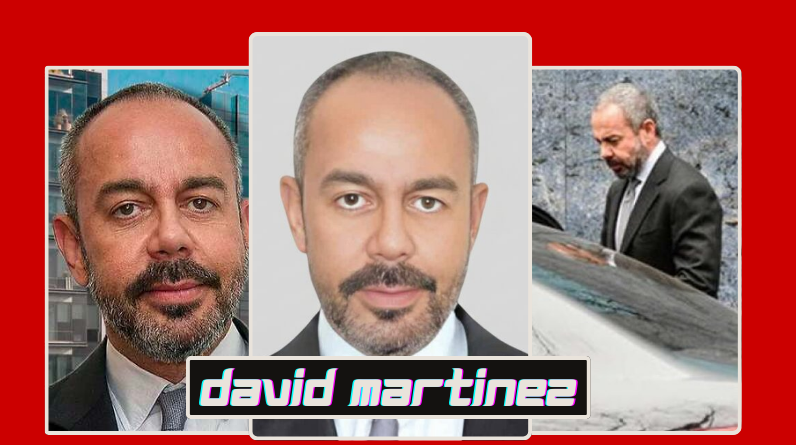
- David Martinez is a Mexican-born billionaire financier best known for controlling complex restructurings through distressed debt.
- He built Fintech Advisory into one of the most influential private investment firms in emerging markets.
- Unlike activist investors, his power comes from governance, patience, and legal structure—not publicity.
- His strategy focuses on turning creditor positions into long-term control during crises.
- This article explains how Martinez operates, why he avoids visibility, and what most profiles miss.
Who is David Martinez?
David Martinez is a Mexican financier and investor who built global influence by specializing in distressed sovereign and corporate debt. He is the founder and managing partner of, a private investment firm known for quietly acquiring control in companies and countries during financial crises.
Unlike hedge fund managers who rely on activism or media pressure, Martinez operates almost entirely behind the scenes. His reputation is based on one skill: converting complex debt positions into durable governance power over time.
Control Through Creditor Strategy
Most articles describe David Martinez as a “ghost investor” or “friendly vulture.” What they rarely explain is how he actually builds influence.
Martinez’s core method is not speculation—it is creditor control. By entering companies or sovereigns at moments of distress, he positions Fintech Advisory as a critical stakeholder whose cooperation becomes essential for recovery.
Why Debt, Not Equity, Is His Weapon of Choice
- Distressed debt trades at steep discounts during crises.
- Creditors gain leverage over restructuring terms.
- Debt can be converted into equity or board control.
- Legal priority often favors creditors over shareholders.
This approach allows Martinez to gain influence without public takeovers, proxy fights, or brand exposure.
Background That Explains the Strategy
Early Life and Multidisciplinary Training
Born in Monterrey, Mexico in 1957, Martinez combined technical, legal, and philosophical education—an uncommon mix in finance. Public corporate filings and board biographies attribute his education to engineering studies in Mexico, philosophy in Rome, and an MBA from Harvard Business School.
This background matters. His deals rely heavily on legal structure, cross-border negotiation, and long-term reasoning rather than trading speed.
The Citibank Years and the Latin American Debt Crisis
Before founding Fintech Advisory in 1987, Martinez worked at Citibank during the Latin American sovereign debt crisis. There, he learned how governments, banks, and creditors interact under stress—and how fear often misprices assets.
This period shaped his belief that crisis is not a failure state, but a transfer of leverage.
Fintech Advisory: Built for Complexity, Not Scale
Fintech Advisory is deliberately different from traditional funds:
- No public fundraising
- No marketing or website for years
- Concentrated positions, not diversification
- Investment horizons measured in years, not quarters
Its focus areas include:
- Distressed sovereign debt
- Corporate restructurings
- Telecom, banking, infrastructure, and media
This structure allows Martinez to negotiate patiently without external pressure from limited partners or markets.
Key Case Studies That Show His Playbook
Vitro: When Legal Structure Becomes Strategy
When Mexican glass manufacturer Vitro defaulted on over $1.5 billion in debt, Fintech accumulated creditor positions and supported a restructuring that converted debt into equity control.
The case became controversial due to cross-border bankruptcy disputes, but it demonstrated Martinez’s mastery of legal jurisdictions and creditor coordination.
Telecom Argentina: Time as a Competitive Advantage
Fintech spent years navigating Argentine regulatory delays to gain control of Telecom Argentina. Many investors exited due to uncertainty. Martinez waited.
That patience resulted in governance influence over one of Argentina’s most strategic infrastructure assets.
Banco Sabadell: Minority Stake, Outsized Voice
Through Fintech, Martinez became a significant shareholder and board member of Despite owning under 4%, his restructuring expertise gave him credibility during debates around consolidation and capital strategy.
Why He Avoids Public Visibility
Silence is not a personality trait—it is a tactical advantage.
Public activism can:
- Trigger political backlash
- Complicate regulatory approvals
- Inflate asset prices prematurely
By staying invisible, Martinez preserves negotiation space and reduces resistance from governments, boards, and counterparties.
Common Misconceptions About David Martinez Businessman
- “He profits from collapse.” In reality, his returns depend on recovery, not liquidation.
- “He is purely financial.” His board roles show deep operational involvement.
- “He avoids responsibility.” Governance control increases accountability, not less.
Real-World Implications for Investors and Policymakers
Martinez’s career illustrates several hard truths:
- In crises, creditors—not shareholders—set the rules.
- Legal literacy can be more valuable than capital size.
- Long-term patience often outperforms speed.
For governments, his presence signals seriousness in negotiations. For companies, it means survival often requires surrendering control.
Practical Takeaways
- Distressed investing is about structure, not aggression.
- Influence can be built quietly through governance.
- Complexity is an entry barrier that creates opportunity.
FAQs About David Martinez Businessman
Who is David Martinez businessman?
David Martinez is a Mexican-born billionaire financier and founder of Fintech Advisory, known for distressed-debt investing and corporate restructurings.
How did David Martinez make his money?
By acquiring undervalued debt during crises and converting creditor leverage into long-term equity and governance positions.
What makes his strategy different?
He focuses on legal structure, patience, and control rather than public activism or short-term trading.
Is David Martinez controversial?
Some restructurings have faced criticism, but his methods operate within legal frameworks and are widely studied in finance.
Why is he called the “ghost investor”?
Because he avoids publicity, rarely gives interviews, and lets filings—not headlines—reveal his influence.