


If you’ve been researching ways to start an online business with minimal investment, you’ve likely encountered dropshipping. The business model has exploded in popularity, with the global dropshipping market projected to grow by over 30% through 2027. But beyond the success stories and social media hype lies a more nuanced reality that every beginner needs to understand.
This comprehensive guide cuts through the noise to give you an honest look at dropshipping—what it is, how it actually works, and whether it’s the right fit for your entrepreneurial goals.
What Is Dropshipping? The Simple Definition
Dropshipping is a retail fulfillment method where you sell products online without ever handling physical inventory. Instead of purchasing stock upfront and storing it in a warehouse, you partner with third-party suppliers who store, package, and ship products directly to your customers on your behalf.
Think of yourself as the middleman who curates products and manages the customer experience, while suppliers handle everything that happens behind the scenes. You’re essentially running a storefront without the traditional burden of inventory management.
The Core Components of Dropshipping
Every dropshipping business involves three key players:
- You (The Retailer): You create and manage the online store, market products, handle customer service, and set retail prices
- The Supplier: Manufacturers or wholesalers who maintain inventory and fulfill orders when purchases are made
- The Customer: Shoppers who purchase from your store, seeing only your brand without any direct interaction with suppliers
How Does Dropshipping Work? A Step-by-Step Breakdown
Understanding the dropshipping process is crucial before you invest time and money. Here’s exactly how transactions flow from start to finish:
Step 1: Customer Discovers Your Store
A potential customer finds your online store through social media ads, search engines, or other marketing channels. They browse your product catalog and decide to make a purchase—let’s say a minimalist leather wallet priced at $45.
Step 2: Order Placement and Payment
The customer completes checkout and pays you $45 through your payment processor. This money goes into your business account. At this point, you haven’t paid anyone yet—the full retail price is yours.
Step 3: Order Forwarding to Supplier
You (or your automated system) forward the order details to your dropshipping supplier along with payment for the wholesale price—perhaps $22 for that wallet. Many modern platforms automate this process entirely.
Step 4: Supplier Fulfillment
Your supplier picks the wallet from their inventory, packages it (often in neutral packaging that doesn’t reveal their identity), and ships it directly to your customer’s address.
Step 5: Customer Receives Product
The customer receives their order with your branding on any included materials. From their perspective, you handled everything. They contact you—not the supplier—with any questions or concerns.
Step 6: You Keep the Profit
The difference between the $45 retail price and the $22 wholesale cost is your gross profit: $23. From this, you’ll need to deduct marketing costs, platform fees, transaction fees, and other operating expenses to arrive at your net profit.
| Transaction Stage | Who’s Responsible | Money Flow |
|---|---|---|
| Product listing & marketing | You | Your advertising spend |
| Customer payment | You | Customer pays retail price to you |
| Order processing | You | You pay wholesale price to supplier |
| Inventory storage | Supplier | No cost to you |
| Packaging & shipping | Supplier | Usually included in wholesale price |
| Customer service | You | Your time or staff costs |
Why Beginners Choose Dropshipping: The Compelling Advantages
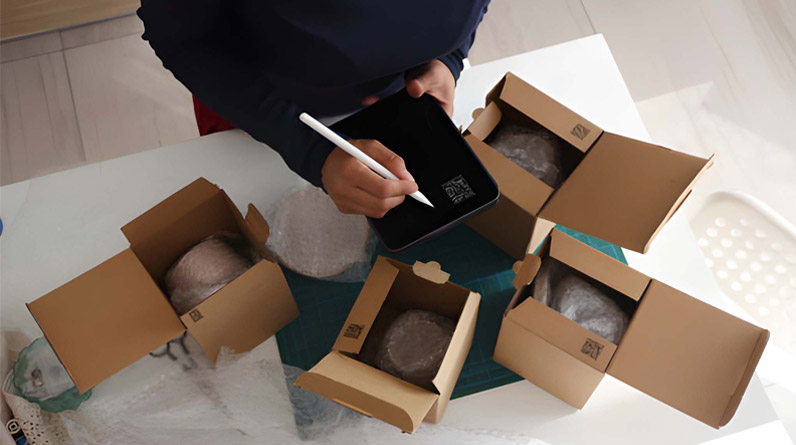
Dropshipping has become the go-to business model for first-time entrepreneurs, and for good reason. Understanding these benefits helps you see why over 27% of online retailers have adopted this fulfillment method.
Minimal Startup Capital Required
Traditional retail businesses often require $10,000-$50,000 in inventory investment before making the first sale. With dropshipping, you can launch with as little as $200-$500 for a domain, website platform, and initial marketing budget. You only purchase products after customers have already paid you.
Location Independence
Run your business from anywhere with reliable internet. Whether you’re working from home, traveling abroad, or managing multiple ventures, dropshipping provides unprecedented flexibility in how and where you operate.
Massive Product Selection
Without physical storage constraints, you can offer thousands of products across multiple categories. Test new items without financial risk, discontinue poor performers instantly, and pivot to trending products within days rather than months.
Scalability Without Infrastructure
Whether you process 10 orders or 1,000 orders monthly, your operational workload remains relatively similar. Suppliers handle the increased fulfillment burden, allowing you to scale revenue without proportionally increasing your overhead costs.
The Reality Check: Challenges Every Beginner Faces
Here’s what the promotional content often glosses over: dropshipping isn’t easy money. Success requires strategy, persistence, and realistic expectations about the obstacles ahead.
Razor-Thin Profit Margins
With low barriers to entry comes fierce competition. Many dropshippers compete primarily on price, driving profit margins down to 10-30% in competitive niches. After advertising costs (which can consume 20-50% of revenue), actual profits are often far lower than beginners expect.
Quality Control Limitations
You’re promoting products you’ve never touched. If suppliers cut corners, ship defective items, or use substandard materials, your brand reputation suffers even though you didn’t manufacture anything. This disconnect between promise and delivery has damaged countless dropshipping businesses.
Shipping Time Complications
International suppliers may take 2-4 weeks for delivery, while customers increasingly expect Amazon-like speed. Long shipping times lead to anxious customers, support tickets, and potential chargebacks—all headaches that eat into your time and profits.
Inventory Synchronization Issues
Suppliers occasionally run out of stock without immediately notifying you. This leads to selling products you can’t deliver, forcing you to issue refunds and face disappointed customers. According to industry data, inventory issues account for approximately 15% of dropshipping customer complaints.
Customer Service Burden
You’re the front line for all customer inquiries, complaints, and returns—even for problems you didn’t cause. Building trust requires responsive, professional support that can be time-consuming without dedicated systems in place.
Getting Started: Your Essential First Steps
If you’re ready to move forward despite the challenges, here’s how to begin your dropshipping journey strategically.
1. Choose Your Niche Strategically
Don’t chase oversaturated markets like phone cases or fitness equipment. Instead, use these criteria:
- Passion or knowledge: Select niches you understand or care about
- Market demand: Use Google Trends and keyword research tools to validate interest
- Profit potential: Target products with 50%+ markup potential, ideally $30-$200 price range
- Competition level: Look for underserved sub-niches where you can differentiate
Example: Instead of “pet supplies” (oversaturated), focus on “eco-friendly pet accessories for small dogs” (specific, growing demand, less competition).
2. Research and Vet Suppliers Thoroughly
Your supplier relationship makes or breaks your business. Before committing, investigate:
- Average shipping times to your target markets
- Product quality through sample orders
- Communication responsiveness
- Return and refund policies
- Reviews from other retailers
- Minimum order requirements
Recommended platforms: Shopify Collective (verified suppliers with 20-50% margins), AliExpress, SaleHoo, or specialized niche suppliers.
3. Build Your Online Store
Choose a platform that balances ease of use with professional functionality:
- Shopify: Most popular for dropshipping, extensive app ecosystem, $39/month starting
- Wix: User-friendly drag-and-drop interface, integrated Modalyst marketplace
- WooCommerce: WordPress plugin, more technical but highly customizable
Invest in professional store design—your branding is your only differentiation when selling similar products to competitors.
4. Price Products Strategically
Simple formula: Wholesale Cost × 2.5 = Retail Price as your starting point. Then adjust based on:
- Competitor pricing analysis
- Your target profit margin (aim for 30-40% after all costs)
- Perceived value and positioning
- Marketing and acquisition costs per customer
5. Develop a Marketing Strategy
No traffic means no sales. Allocate 30-50% of your initial budget to marketing:
- Social media advertising: Facebook and Instagram for visual products, TikTok for trending items
- Content marketing: Blog posts and SEO to capture search traffic
- Influencer partnerships: Micro-influencers often provide better ROI than major accounts
- Email marketing: Build your list from day one for repeat sales
Success Metrics: What “Good” Looks Like for Beginners
Set realistic expectations with these industry benchmarks:
| Metric | Beginner Target | Established Target |
|---|---|---|
| Profit margin | 15-25% | 25-40% |
| Conversion rate | 1-2% | 2-4% |
| Average order value | $30-$50 | $50-$100+ |
| Customer acquisition cost | $10-$30 | $5-$20 |
| Time to first sale | 2-8 weeks | N/A |
Is Dropshipping Right for You? An Honest Assessment
Dropshipping works best for people who:
- Have strong digital marketing skills or willingness to learn
- Can tolerate slim initial profits while building momentum
- Excel at customer service and problem-solving
- Understand this is a real business requiring consistent effort
- Have 10-20 hours weekly to dedicate initially
Dropshipping may NOT be right if you:
- Expect passive income without active management
- Want complete control over product quality
- Need immediate cash flow to survive
- Prefer hands-on inventory management
- Can’t handle customer complaints professionally
Final Thoughts: The Path Forward
Dropshipping offers a legitimate entry point into e-commerce entrepreneurship, but it’s not a shortcut to easy wealth. Success comes from treating it as a real business: conducting thorough research, choosing reliable partners, providing excellent customer experiences, and continuously optimizing your operations.
The entrepreneurs who succeed in dropshipping are those who view it as a long-term venture, not a get-rich-quick scheme. They focus on building genuine value for customers, differentiating through branding and service, and scaling strategically based on data.
Start small, test methodically, learn from mistakes, and scale what works. With realistic expectations and consistent effort, dropshipping can become a profitable foundation for your e-commerce empire.
Ready to take the next step? Begin by choosing your niche today, ordering product samples from potential suppliers, and building your first store. The journey of a thousand sales begins with a single product listing.