

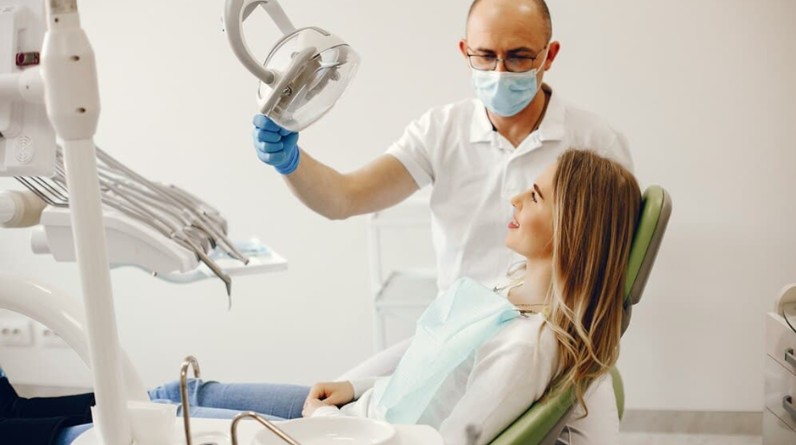
Many people carry small dental concerns from their younger years. It might be uneven teeth, a gap that never closed, or treatment that was suggested but never started. At the time, there may have been limits, cost, access, or simply a lack of interest.
Years later, something shifts. Priorities change, routines settle, and there is more space to think about personal care. This is when many begin to consider dental treatment not as a quick fix but as a thoughtful step forward.
It is not about chasing perfection. It is about feeling ready.
More Than Appearance: A Change in Perspective
The idea of a “second chance smile” is not driven by vanity. It is often the result of timing, resources, and confidence coming together.
People in their 30s, 40s, and 50s tend to approach dental treatment with a different mindset. They ask more questions, consider long-term effects, and look for options that fit their lifestyle.
There is also a clearer understanding of how oral health connects to daily comfort. Eating, speaking, and smiling all play a role in how people experience their day.
This broader view makes the decision feel practical rather than cosmetic.
Common Reasons People Return to Dental Care
There are several reasons why adults revisit dental care later in life. Some notice gradual changes, such as shifting teeth or wear. Others experience issues that were once minor but have become more noticeable.
Life events can also play a role. A new role at work, a social change, or even a simple desire to feel more at ease can prompt action.
At this stage, people often explore different forms of dental treatment, from alignment options to restorative care. The goal is usually balance, improving function while keeping results natural.
Options That Fit Adult Lifestyles
One of the key differences today is the range of options available. Many forms of dental treatment are designed with adult routines in mind.
Clear aligners, for example, offer a way to adjust alignment without drawing attention. They can be removed when needed, which makes them easier to manage in daily life.
Restorative approaches, such as replacing missing teeth, focus on both function and support. These options aim to maintain structure and prevent further changes over time.
Because of this variety, adults can choose dental treatment that fits their needs rather than adjusting their lives around it.
The Emotional Side of a Second Chance
There is often an emotional element to this decision. For some, it is about closing a chapter that was left open. For others, it is about gaining a sense of comfort that was missing before.
Small changes can have a noticeable effect. Feeling more at ease when speaking, smiling without hesitation, or simply knowing that a concern has been addressed can make a difference.
This is why many describe dental treatment as more than a physical change. It can influence confidence in quiet, lasting ways.
Taking a Measured Approach
Adults tend to take a steady approach to dental care. Rather than rushing into decisions, they often prefer to understand each step.
This includes looking at how different types of dental treatment will affect them over time. Questions about maintenance, comfort, and long-term outcomes are common.
Clinics such as Andrew Lee Dentistry often see this careful approach. Patients want clear information and realistic expectations, which helps them make choices they feel comfortable with.
This measured pace supports better outcomes and reduces uncertainty.
Looking Ahead, Not Back
What stands out about this trend is its forward-looking nature. While it may begin with something from the past, the focus is on the future.
People are not trying to correct every detail. Instead, they are choosing dental treatment that supports how they want to feel moving forward.
This might mean aligning teeth gently, restoring function, or maintaining what is already healthy. The aim is consistency and comfort rather than dramatic change.
Why This Shift Matters
The growing interest in later-life dental care reflects a wider change in how people view health. It is no longer limited to reacting to problems. It is about making choices that support long-term well-being.
By considering dental treatment at the right time, adults can address concerns before they develop further. This reduces the need for more complex care later on.
It also creates a sense of control. Decisions are made with intention, rather than urgency.
Final Thoughts
The idea of a second-chance smile is less about change and more about readiness. It comes at a point when people feel able to invest in themselves, both practically and emotionally.
With a range of modern options available, dental treatment can be shaped to fit individual needs and lifestyles. The process can be gradual, clear, and manageable.
In the end, it is not about looking different. It is about feeling comfortable, confident, and prepared for what comes next.